
城之源
China-Tanzania healthcare cooperation brings AI-powered diagnosis to patients_我的网站

A |
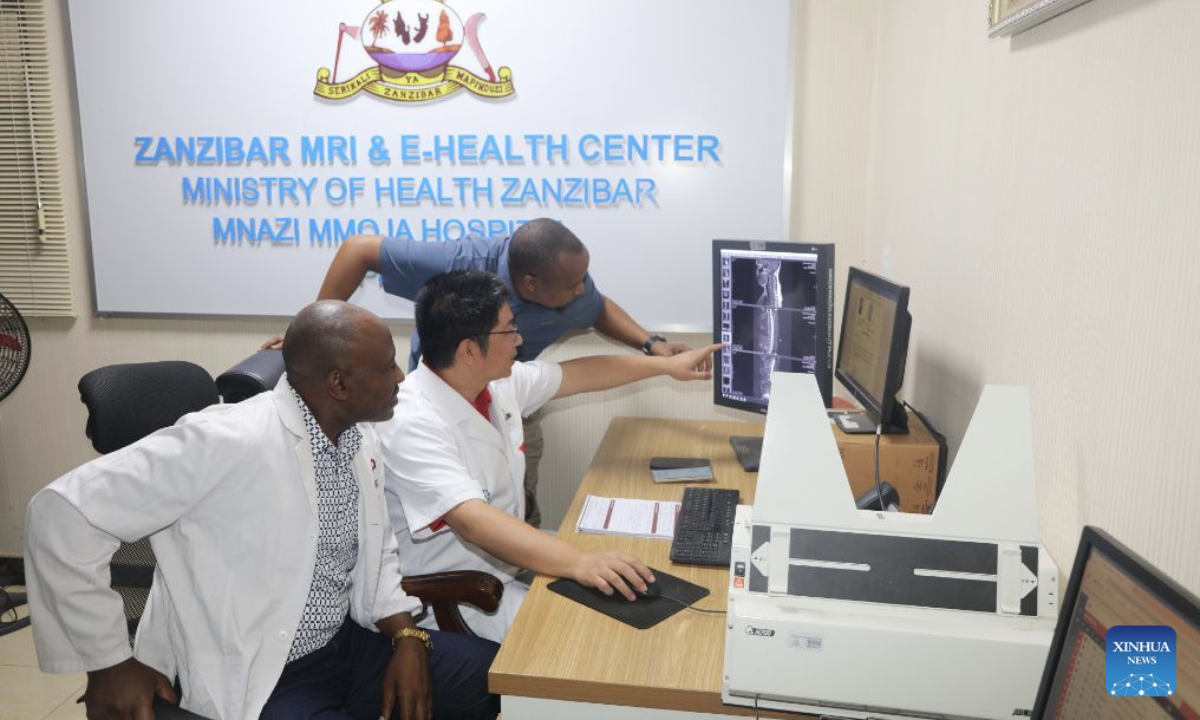
On the island, artificial intelligence (AI) systems are helping doctors interpret medical images, while remote consultations connect local physicians with specialists thousands of kilometers away.
Bridging this distance is Yuan Gang, a radiologist with the 35th Chinese medical team in Zanzibar, who combines local imaging, cloud-based AI analysis, and real-time specialist consultations.
For years, Zanzibar's healthcare system has faced challenges in diagnosing complex diseases, particularly because of limited imaging expertise, heavy workloads, and the lack of advanced diagnostic tools, said local physician Haitham Hamudu.
Imaging interpretation, often described as the "eyes" of modern medicine, has been especially constrained by limited expertise, heavy workloads, and a lack of advanced tools, Haitham said.
By linking the hospital's imaging system with the First People's Hospital of Lianyungang in east China's Jiangsu Province, he has introduced a three-layer diagnostic approach, which includes initial reading by local doctors, AI-assisted detection and classification, and quality control through Chinese specialist review.
This hybrid model is enabling doctors in Zanzibar to access the precision and standards of top-tier Chinese hospitals without requiring patients to leave the island.
"Technology is allowing us to overcome distance and resource gaps," Yuan said. "It is not just about solving one case, but about building a system that improves care for many patients."
One of the most striking cases involved a young Zanzibari child suffering from recurrent vomiting and lethargy.
After reviewing the child's Magnetic Resonance Imaging scans, Yuan diagnosed hydrocephalus but found the underlying cause unclear. He immediately initiated a remote consultation with neuroradiology experts in the Chinese city of Lianyungang.
By jointly reviewing the imaging data and clinical records, the team identified the hidden cause, provided a precise diagnosis and treatment recommendations, giving local doctors a clear path forward and the child a renewed chance at recovery.
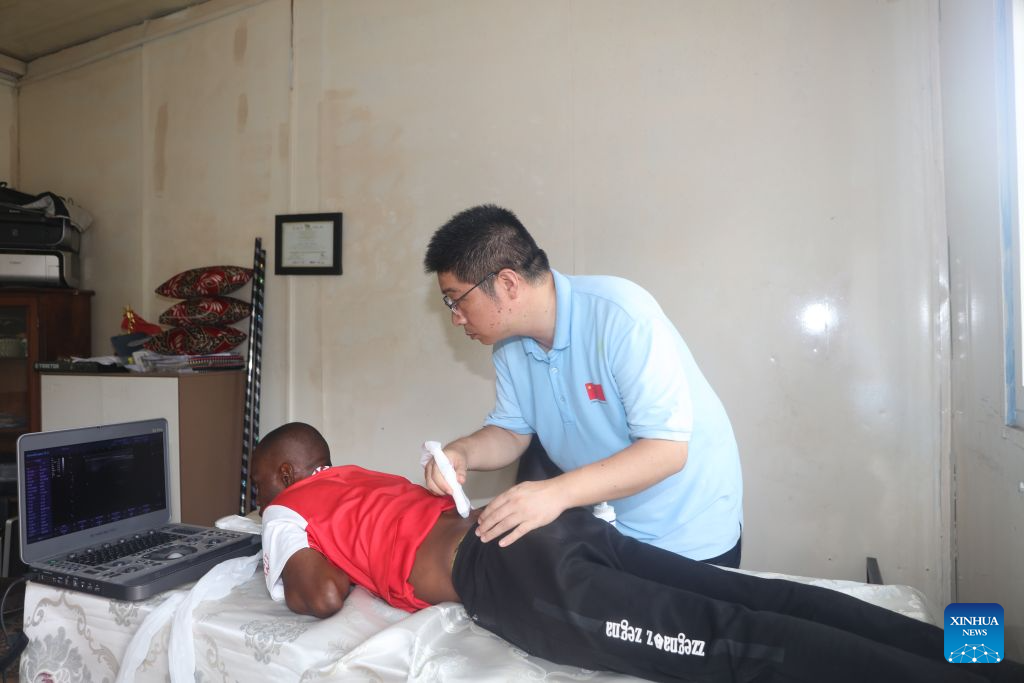
Beyond individual cases, Yuan has introduced AI-powered imaging tools to improve diagnostic accuracy in Zanzibar.
He said many women have dense breast tissue, making breast cancer harder to detect with conventional mammography. AI-assisted mammography now analyzes images, classifies lesions using the internationally recognized Breast Imaging Reporting and Data System, and helps doctors assess malignancy risk.
In one case, a 42-year-old woman with mild breast pain showed no obvious abnormalities on routine examination. AI, however, detected two hidden nodules and accurately classified their risk, helping doctors avoid unnecessary procedures while ensuring timely follow-up.
Similarly, AI-assisted lung imaging is improving the early detection of pulmonary nodules that are often missed in manual readings.
In one case, a 56-year-old man with a chronic cough was initially diagnosed with inflammation. Yuan's review, supported by AI analysis, identified four small nodules, including one with high-risk features, prompting closer monitoring and potentially preventing the progression of an early tumor.
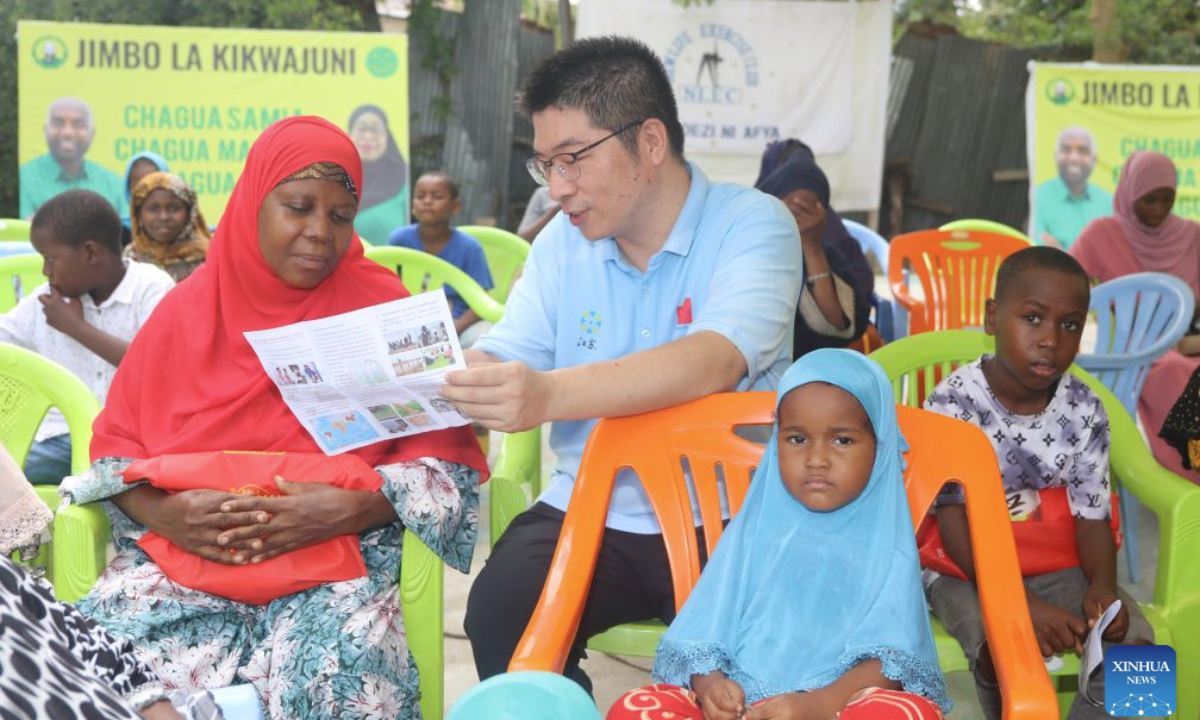
Beyond diagnosis, Yuan is helping local doctors adopt AI tools, standardized reporting systems, and structured diagnostic methods through hands-on training and case-based teaching, improving diagnostic accuracy while strengthening local capacity.
The AI imaging initiative is part of a broader digital healthcare partnership between China and Tanzania's Zanzibar, Yuan said.
The hospital and its partner institution in Lianyungang have established regular remote multidisciplinary team consultations, bringing together specialists in neurosurgery, oncology, and other disciplines to jointly review complex cases and develop treatment plans.
"I have never seen this kind of consultation before," said local physician Haitham. "So many experts working together, providing practical solutions. It is very inspiring."
Bao Zengtao, leader of the Chinese medical team, said remote consultations not only improve patient care but also enhance the professional capacity of local healthcare workers.
Yuan added that the ultimate goal is to build a sustainable model that can be expanded across Africa, ensuring more patients have access to accurate diagnosis and timely treatment.
。
一键部署OpenClaw HTTPS已经是网站标配。没有SSL证书,浏览器会提示“不安全”,直接影响用户信任和SEO排名。好消息是——SSL证书完全可以免费获取。 全球首选:Let's Encrypt 全球使用最广泛的免费证书,由非营利组织Internet Security Research Group运营。

B | 每年签发超3亿张证书。支持单域名、多域名和通配符域名,有效期90天,可自动续期。已被所有主流操作系统和浏览器预置信任根证书。 国内云厂商免费证书 阿里云、腾讯云、华为云等主流云平台均提供免费的SSL证书服务。最大优势在于中文控制台和“一键部署”功能,极大地降低了国内用户的使用门槛。 ⚠️ 重要提醒:近期腾讯云、阿里云已全面调整免费SSL证书规则,统一将免费证书有效期缩短至3个月。如果你之前用的是1年期免费证书,注意及时续期或改用Let's Encrypt的自动续期方案。 中文友好型:JoySSL 提供永久免费的单域名证书,支持一年有效期及无限次续签。配套详细中文教程,操作门槛低,适合国内个人站长与小型企业官网。 免费SSL选型速查: 技术型站长 → Let's Encrypt(自动续期,一劳永逸) 国内云服务器用户 → 阿里云/腾讯云免费证书(一键部署) 新手站长 → JoySSL(中文教程,操作简单)
申请创业报道,分享创业好点子。点击此处,共同探讨创业新机遇!。
Current article:http://2ggq18.xuebenwagangqingre.buzz/news/20260826_4957.html
Published on:01:08:53
我的网站最近更新
- 清晨集体跳水!伊朗重磅发声!国际油价下挫
- 台风“梅花”正面袭击宁波可能性大 浙江宁波、台州进入I级应急响应
- 深圳大学诺德幼儿园幼儿食谱
- 澳洲CPI全面超预期!澳元跳涨至6月以来高位,澳洲联储9月会出手吗?
- Canadian Families to Receive Rebates From Climate Action Incentive Payment - Government
- 帝恩思:数字安全领域的领航者
- 社会应用会是罗永浩的下一个转折点吗?
- 宝塔执行编译安装提示:安装失败,文件不存在...
- “十五五”开好局起好步|定州:加快建设农业强市 夯实兴农富民根基
- 东方明珠:公司拟对明珠实业增资人民币25亿元
- 146家爱“新”餐厅暖胃又暖心
- 索尼新旗舰XZ4 Shield的曝光
- 中学女生揪男生头发、扇脸?贵州沿河县官舟镇官方:情况属实
- 内塔尼亚胡:伊朗想杀我儿子,差点得手;以媒称即使内塔尼亚胡在大选中落败,国家安全总局也会为他和家庭成员提供至少5年的保护
- 2026年之后,SEO从业者该往哪走?
- 用时 27 年、别克完成第 220 万台 MPV 交付,苏炳添成为新车车主
- 海外服务器选购最新指南:站长要考虑哪些性能指标
- 5000万元中央专项彩票公益金 赋能小布镇乡村振兴大发展
- 多个站口禁止车辆上道!河北高速最新路况
- 美国政府停摆下的另类经济信号
- 抚顺皮影戏:一方舞台里的灯影人间
- GS칼텍스, 화이트바이오 개발서 사업화로…'BNC사업화추진TF' 가동
- Chinese-made infrared telescope with domestic detectors achieves astronomical imaging, reducing foreign reliance
- 独占历史第一!姆巴佩世界杯总进球达到22球
我的网站热门资讯
- “代工之王”富士康的焦虑,需要特斯拉来治?
- 第五人格
- Chatha Pacha Title Track Drops As Shankar-Ehsaan-Loy Make a Striking Malayalam Debut
- 贵州体彩“彩茶趣·‘声声’不息”公益项目荣获第十届麒麟国际广告奖金奖
- 中国人民银行、国家外汇管理局发布《关于跨国公司本外币跨境资金集中运营业务有关事宜的通知》
- 一万年太久,只争朝夕——纪念毛泽东诞辰130周年暨毛泽东诗词作品欣赏展
- 直播吧X咪咕体育|英超第1轮MVP:谢尔基!替补助攻双响助曼城绝杀
- 巳巳如意 ,“幼”见可爱的你
- 2025年618活动何时开始?最新618淘宝京东天猫红包口令更新发布
- 新西兰总理办公室再遭破坏!半年内第三起……
- 科威特外交大臣杰拉赫将访华
- 近日,一艘总重超2万吨智利车厘子的国际货轮缓缓靠泊广州南沙港,随着车厘子到货量逐渐增加,价格也更加亲民。
- 本地跑“数千亿参数量”大模型!苹果新Mac为AI堆料 价格又上台阶
- 沪滇协作山海情|中共一大纪念馆党委一行赴滇开展党建联建等工作
- 意乙俱乐部科莫官宣签下小法 自由加盟签约2年
- 济南新学期周历发布!秋季开学时间为9月1日,2027年寒假、暑假时间也明确了
- 杭州梦萧网络科技有限公司
- 木铎双星发射成功
- “吉林老人救助重庆游客反遭诬陷”反转 吉林文旅最新回应:正在跟进
- 层林尽染 五彩斑斓
- 外国媒体:随着iPhone的衰退,苹果开始追随微软的脚步。
- WRC2026深度观察:机器人行业,正在去表演化、去差异化
- 歼-16对抗“阵风”,现场画面公布,光明网,歼-16对抗“阵风”,现场画面公布
- 钢铁巨轮上的青春“破壁”